
Cases & hands-on guides
102 bilingual cases — filter, then practice.
Guides and examples are free; CSV Studio includes local sample practice after sign-in.
102 bilingual cases — filter, then practice.
Five questions to start with judgment.
Explore import, suggestions, human review, and export with sample data.
Open CSV Studio →
Use one fictional release note to ask Jev whether extra review is needed, which risk matters, and how large the impact may be. Check three answers; send failures or uncertainty to a person. Based on public docs, not tested here.
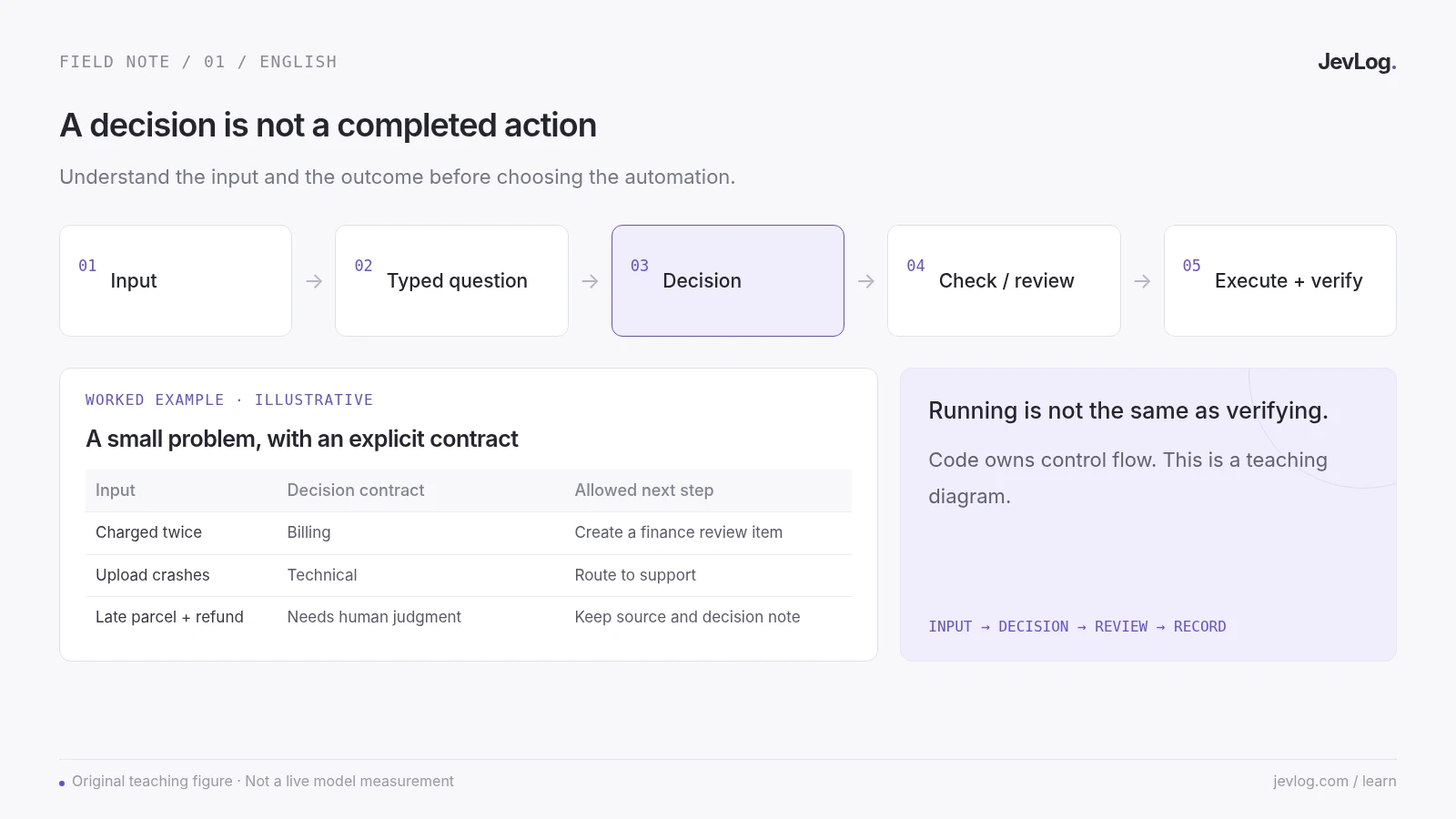
What it is, what it can change, where it helps you, how to start, and which open projects to learn from. Build judgment first, then try the tools. Compiled from public sources — not a live benchmark on this site.
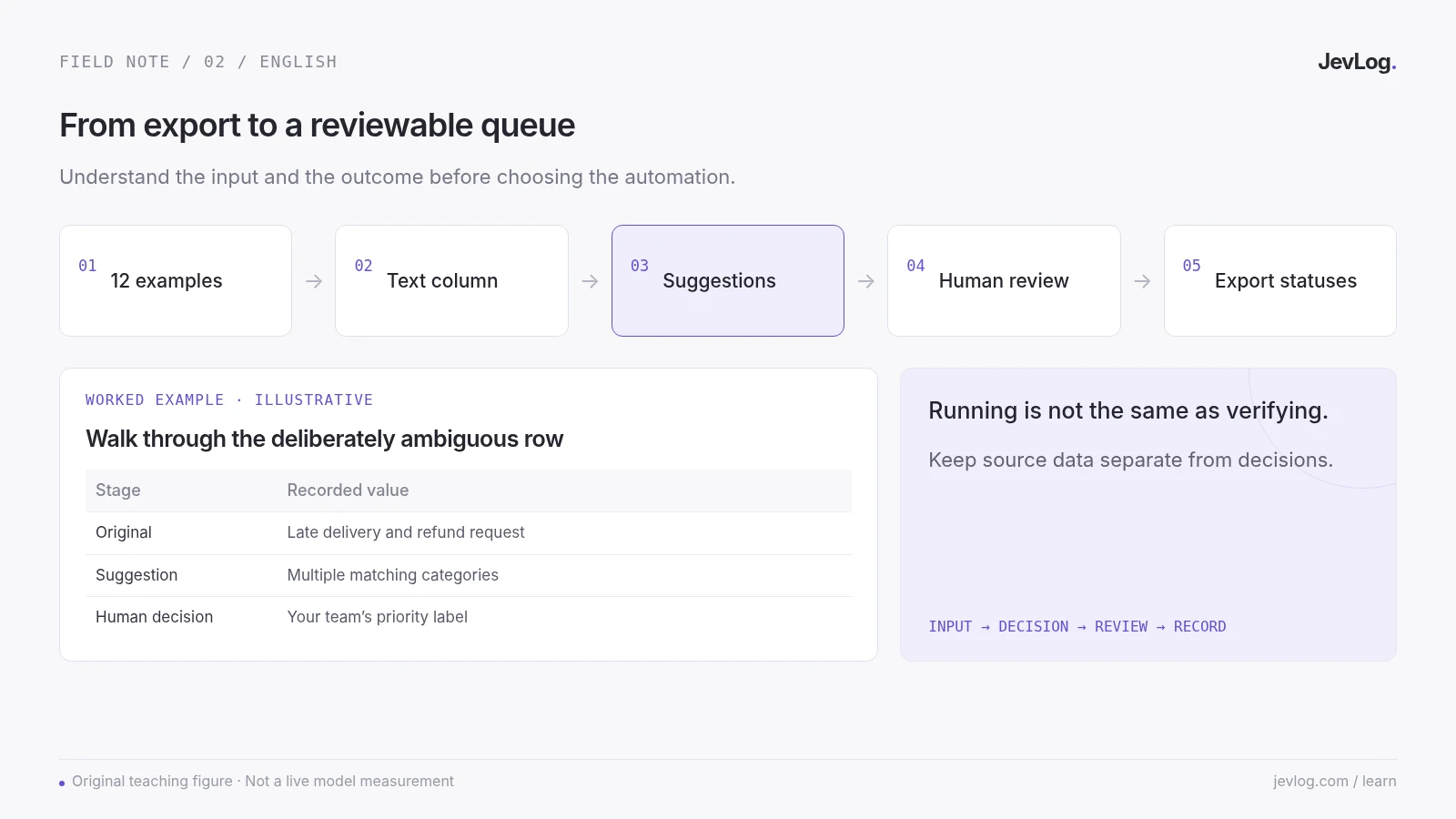
Read one fictional ticket from a CSV and ask System One for language, intent, urgency, and a human-review signal. The result is a routing suggestion, never an automatic reply.
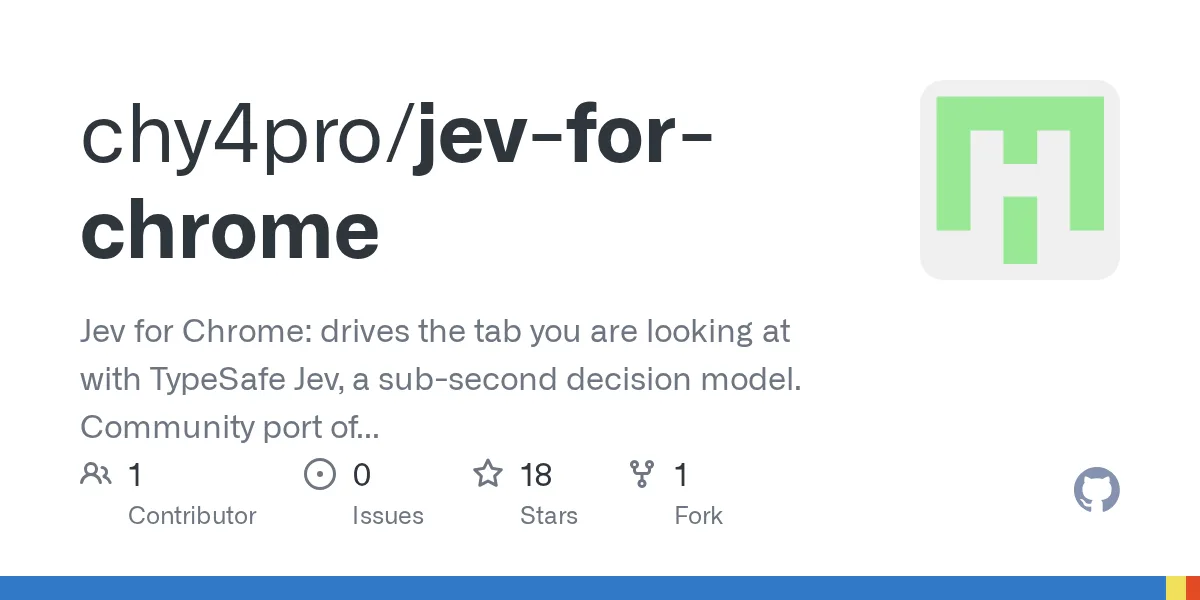
Viral “auto exam” demos aside, the maintainable path is: page state → finite Choice → deterministic clicks. Use simulation/practice pages only (ACP-style mock quizzes). Never for real certification cheating. Public-repo walkthrough, not a live re-run.
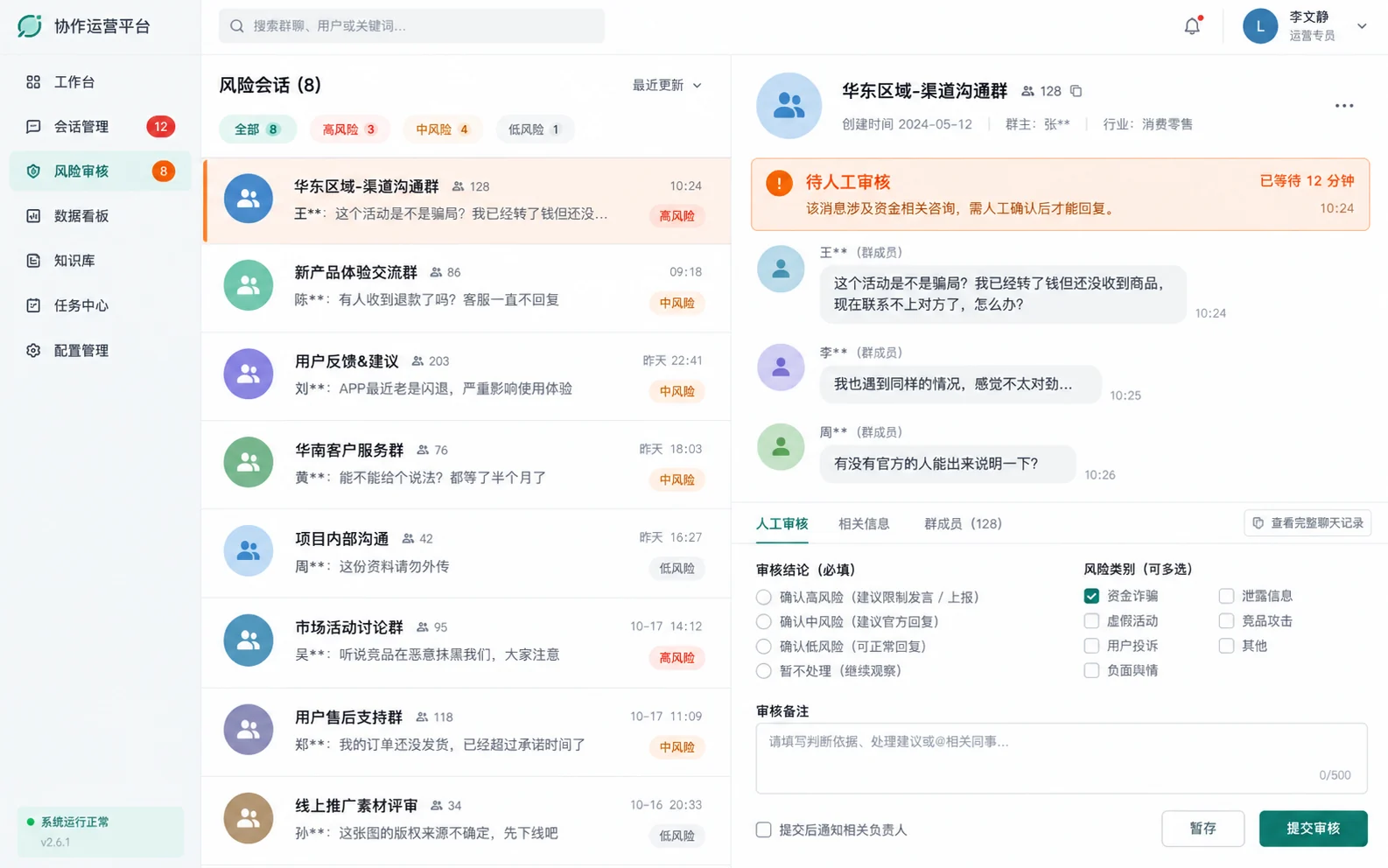
Practice routing link failures, crowd rumors, and ordinary questions from test or redacted group messages. Create a review card and draft, then let an on-call person decide whether to send. Workflow example, not a live WeChat or WeCom integration test.
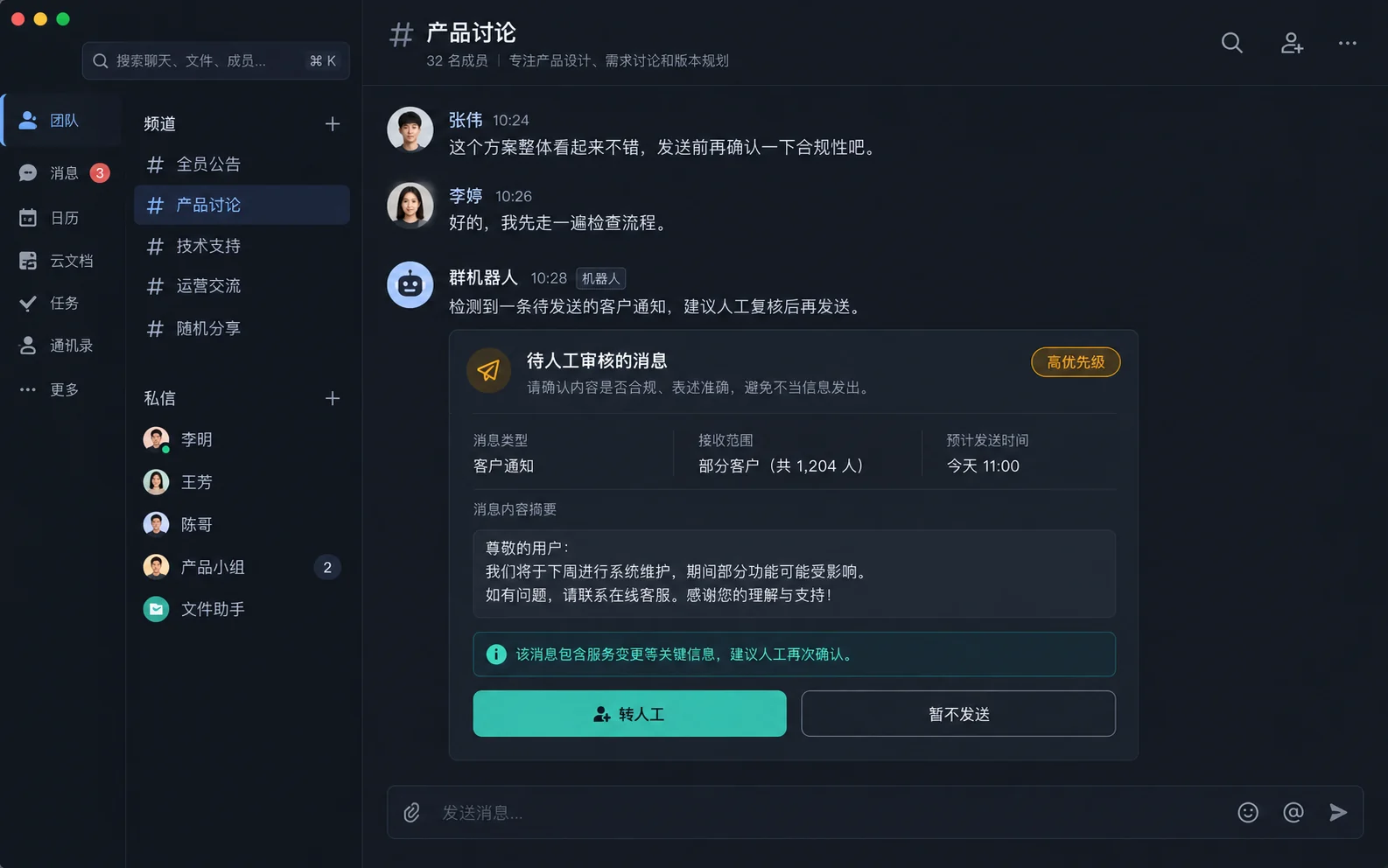
Collect Feishu group messages, classify type/urgency with Jev, post an interactive card, and keep drafts pending review. For internal on-call — send stays manual. Original guide; not an official Feishu live test.
High volume mail fails when “smart archive” hides the important thread. jevmail uses Jev for triage labels only; delete/reply/move stays human or explicit rules. Repo walkthrough, not a live re-run.
Once an agent can write files or call tools, the costly bug is acting before judgment finishes. jev-guard turns the guardrail into a reviewable signal. Public-repo boundary notes, not a live re-run.
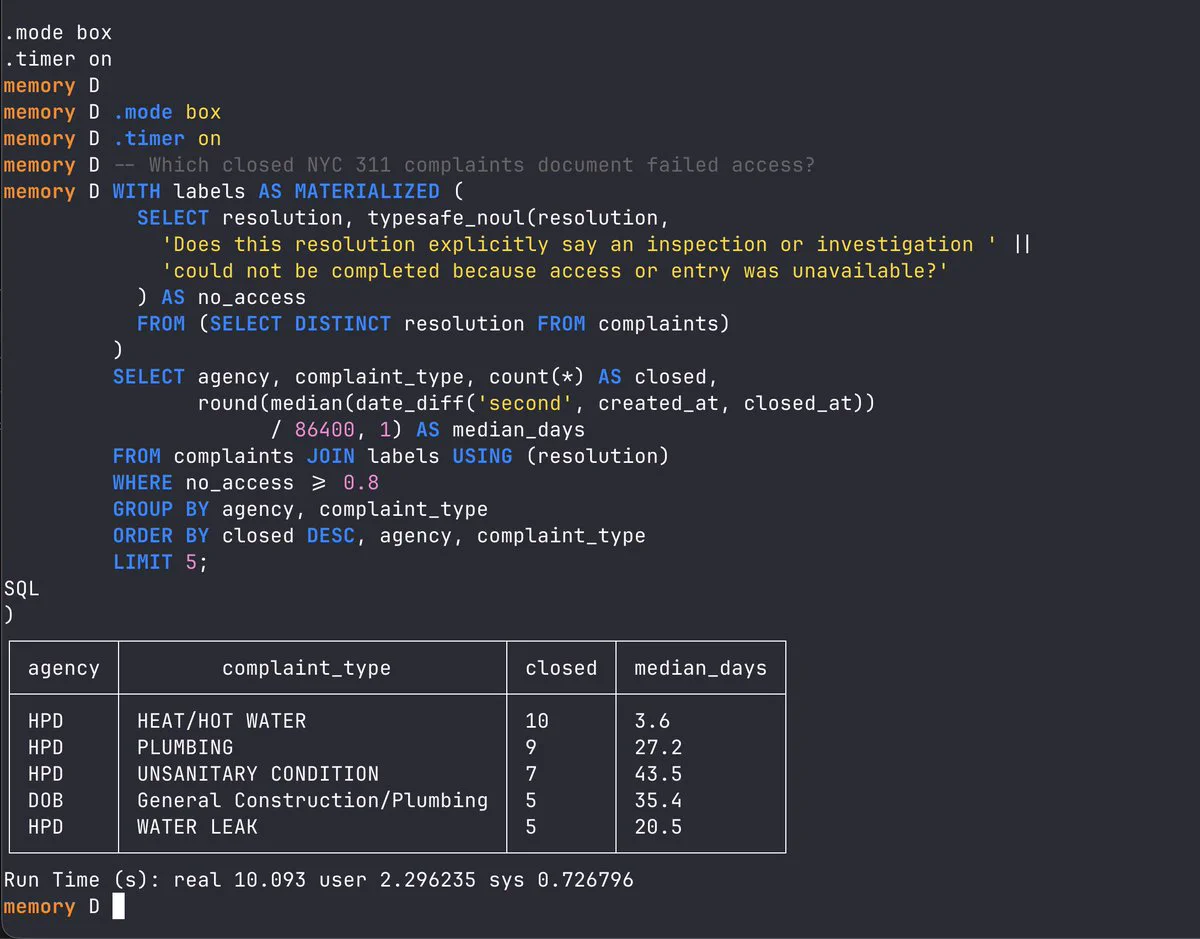
A source-first companion to Hamilton Ulmer’s DuckDB example, with a safe preparation checklist.